Best PSA Software for Software Agencies: Optimize Project Management
Discover the best PSA software for software agencies to streamline project management, enhance collaboration, and boost efficiency. Explore top features, compare alternatives, and find the perfect fit for your small dev teams and Upwork agencies.

Target Keywords Primary high intent - best PSA for software agencies - PSA software for small dev teams - project management for Upwork agencies Secondary - Monday com alternative for developers - Hub
In today's fast-paced digital world, software agencies need efficient tools to stay competitive. PSA software is a game-changer for these agencies. It streamlines project management, resource allocation, and financial tracking.
Small development teams and Upwork agencies face unique challenges. They juggle multiple projects and remote teams. PSA software offers solutions tailored to these needs. It enhances productivity and collaboration.
Choosing the right PSA software can be daunting. There are many options, each with distinct features. This guide will help you navigate the choices. We'll explore the best PSA software for software agencies.
We'll also compare popular tools like Monday.com and Hub. These platforms offer robust features for developers. Understanding their pros and cons is crucial. Integration capabilities and user-friendliness are key factors.
Security and scalability are also important. Agencies must ensure data privacy and support. This guide will cover these aspects in detail. By the end, you'll be equipped to choose the best PSA software for your agency.
What Is PSA Software? Understanding the Basics
PSA software stands for Professional Services Automation. It is designed to assist service-based businesses, like software agencies, in managing their operations efficiently. These tools integrate project management, resource scheduling, and financial accounting into one platform.
At its core, PSA software aims to streamline tasks and automate workflows. By doing so, it reduces the manual work often required for managing multiple projects. This automation allows teams to focus more on delivering quality services.
Common features of PSA software include:
- Time and expense tracking
- Resource management and scheduling
- Project budgeting and billing
- Reporting and analytics
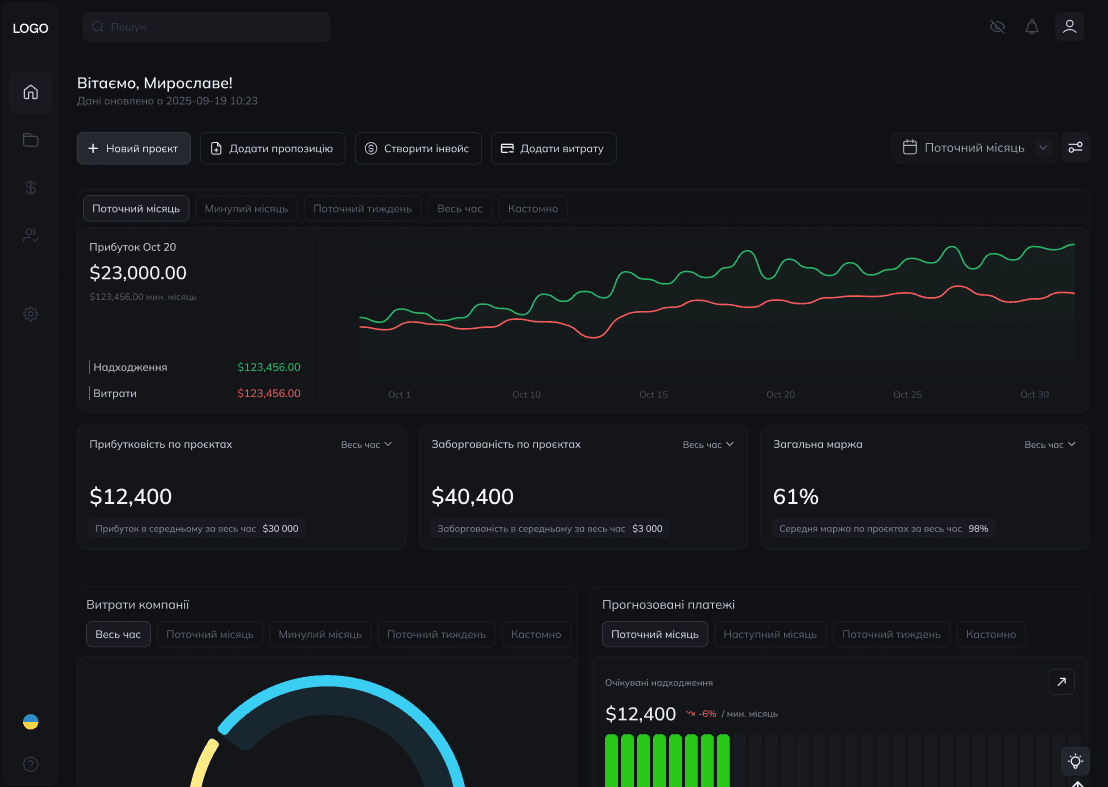
By consolidating these functions, PSA software provides a holistic view of an agency's operations. This visibility enhances decision-making and helps in identifying potential areas of improvement.
Furthermore, PSA software often integrates with other tools, such as CRM systems and accounting software. This capability ensures seamless data exchange across various platforms, making it easier to maintain accuracy.
As software agencies grow, their operational needs become complex. PSA software scales with these needs, offering customized solutions that fit diverse project demands. This flexibility makes it a vital tool for any agency looking to optimize its processes and boost profitability.
Why Software Agencies Need PSA Software
Software agencies face a myriad of challenges daily. Juggling multiple projects and managing remote teams can become overwhelming. PSA software provides the solution to these challenges.
Efficient project management is crucial for success. PSA software helps agencies keep projects on track, ensuring deadlines and budgets are met. This efficiency directly impacts client satisfaction and agency reputation.
Resource allocation is another critical area. PSA software offers real-time insights into resource availability and allocation. This visibility helps managers optimize team performance and prevent burnout.

Communication is the backbone of any agency’s workflow. PSA software improves collaboration with integrated tools that keep everyone informed. It reduces miscommunication and keeps client requirements clear and accessible.
The benefits of PSA software for agencies include:
- Improved project tracking and delivery
- Enhanced resource management
- Streamlined communication and collaboration
- Increased financial oversight
Financial management is another key feature. PSA software often includes billing and invoicing capabilities, which help maintain cash flow. This financial clarity allows agencies to focus on growth and client service.
Ultimately, PSA software is an invaluable asset. It empowers agencies to manage complex projects and resources effectively, ensuring they remain competitive in a fast-paced industry.
Key Features of PSA Software for Software Agencies
PSA software is designed to enhance operational efficiency. It offers a suite of features tailored to agency needs. Each feature plays a critical role in optimizing business processes.
Time tracking is a core component. It allows teams to monitor productivity and allocate hours effectively. This ensures accurate billing and efficient resource utilization.
Billing and invoicing are seamlessly integrated. PSA software automates these functions, reducing errors and increasing financial accuracy. Agencies benefit from improved cash flow management.
Resource management is another essential feature. PSA software provides visibility into team capacity. It helps managers allocate resources based on current workload and priorities.
Project planning tools are robust. They facilitate the organization of tasks and timelines, ensuring clear project execution. Agencies can track progress and adjust plans as needed.
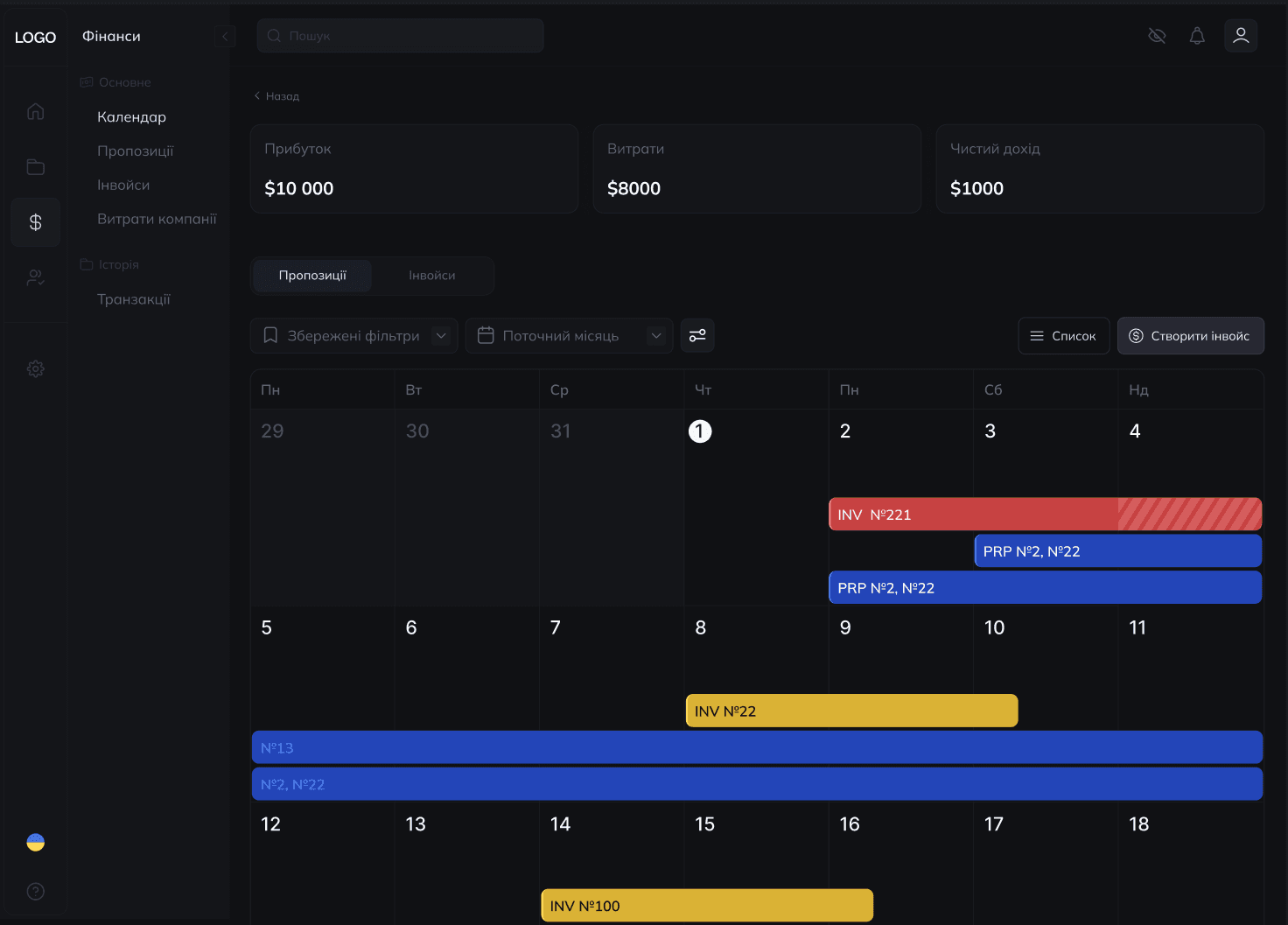
Collaboration features enhance team communication. Many PSA tools integrate with existing communication platforms. This integration supports clear, seamless interaction within teams and with clients.
Key features of PSA software often include:
- Time tracking
- Billing and invoicing
- Resource management
- Project planning
Additionally, real-time analytics and reporting are invaluable. They provide insights into project health and financial metrics. Agencies gain the ability to make data-driven decisions.
Workflow automation is also beneficial. It reduces manual tasks and errors, freeing teams to focus on strategic activities. Overall, PSA software provides a comprehensive toolkit for agency success.
PSA Software vs. Traditional Project Management Tools
PSA software and traditional project management tools serve different purposes. Understanding their distinctions is crucial for agencies looking to enhance efficiency.
Traditional project management tools focus on task and schedule management. They help teams organize work but often lack broader business functionalities. While effective for basic project needs, they may not support complex agency requirements.
In contrast, PSA software offers an integrated approach. It encompasses project management, time tracking, billing, and resource management. This holistic view enables agencies to streamline multiple processes under one umbrella.
Key differences between PSA software and traditional tools include:
- Comprehensive functionality vs. limited scope
- Focus on entire business operations vs. individual projects
- Integration capabilities with CRM and financial systems
PSA software also provides richer data insights. Agencies gain access to real-time analytics across various functions. This capability supports informed decision-making and strategic planning.
Overall, while traditional tools address specific project needs, PSA software offers an all-in-one solution for managing agency operations more effectively.
How PSA Software Empowers Small Dev Teams
Small dev teams face unique challenges. Limited resources and tighter deadlines require efficiency and smart tool usage. PSA software offers the solution they need.
With PSA software, dev teams manage projects and resources seamlessly. They can track time and budget more effectively. This ensures that projects stay on track and within financial limits.
The software’s comprehensive features streamline workflows. Team members can focus on key tasks without getting bogged down by manual tracking. This automation boosts productivity and morale.
Key benefits for small dev teams include:
- Enhanced resource allocation
- Accurate time and expense tracking
- Improved collaboration and communication

PSA software provides real-time insights into project status and resource use. Teams can make informed decisions quickly, adapting to changes with ease. This agility is crucial for success.
Furthermore, the flexibility and scalability of PSA tools support growth. As small dev teams expand, the software adapts, accommodating more complex projects and larger team sizes seamlessly.
Project Management for Upwork Agencies: Unique Needs & PSA Solutions
Upwork agencies have distinct challenges in managing freelance teams. Tracking diverse projects and ensuring quality while working remotely is no small feat.
PSA software offers solutions tailored to these needs. It aligns project management with remote collaboration tools, facilitating seamless operations. This integration helps agencies maintain high productivity levels.
Through PSA software, Upwork agencies can optimize their project lifecycle. Key benefits include enhanced visibility and control over distributed teams. Agencies can track deliverables and deadlines efficiently.
PSA solutions for Upwork agencies often include:
- Real-time communication tools
- Integrated time and expense tracking
- Comprehensive reporting features
These features help agencies manage client expectations effectively. With clear insights, agencies can anticipate issues and mitigate risks proactively.
Moreover, PSA software empowers better client relations through transparency. Clients appreciate visibility into project progress, enhancing trust and satisfaction.
Flexible PSA tools accommodate dynamic work environments. They allow Upwork agencies to scale operations smoothly, adapting to fluctuating workloads. This adaptability is essential for maintaining competitiveness in the freelance marketplace.
Monday.com for Developers: Pros, Cons, and Alternatives
Monday.com is a popular choice for developers looking for comprehensive project management tools. Its customizable workflows cater to a variety of project needs.
The platform's user-friendly interface is a major advantage. It simplifies task assignments and progress tracking, enhancing team productivity.
However, Monday.com is not without its shortcomings. Some developers find it expensive, especially small teams with limited budgets.
Additionally, its feature set can be overwhelming. New users might face a steep learning curve initially. Here are some pros and cons to consider:
Pros:
- Highly customizable workflows
- Intuitive interface for easy navigation
- Robust integration capabilities
Cons:
- Potentially high cost for small teams
- Complexity of features for new users
Given these points, developers often seek alternatives. Several options offer similar functionalities at competitive prices.
Popular alternatives include Asana and Trello, both known for their simplicity and effectiveness. These platforms provide streamlined project management solutions.
Alternatives:
- Asana: Excellent for task management and collaboration
- Trello: Great for visual project tracking with boards
Choosing the right tool depends on specific agency requirements. Consider team size, budget constraints, and desired features when evaluating options. Monday.com and its alternatives all have unique strengths, making it vital to align tool capabilities with project demands.
Hub and Other Leading PSA Software: In-Depth Comparison
Hub is another respected player in the PSA software market, especially among software agencies. It offers a suite of features tailored to manage complex projects.
Agencies appreciate Hub's comprehensive project management capabilities. It efficiently handles resource allocation, time tracking, and billing.
One standout feature is its robust reporting. This provides agencies with insights into project health and financial status.
However, like any platform, Hub has its trade-offs. Its interface may not be as intuitive as Monday.com.
For agencies exploring options, it's crucial to compare various software solutions. Evaluating features, costs, and user experience can illuminate the best choice. Here are some leading PSA software alternatives:
PSA Software Alternatives:
- Smartsheet: Known for its spreadsheet-like interface, ideal for data-driven agencies.
- Wrike: Offers dynamic timeline features for detailed project tracking.
When comparing these tools, consider specific functionalities each one offers. Hub, for instance, integrates well with major CRM systems.
Moreover, its scalability is praised by growing teams needing adaptable software. Each tool's ability to integrate with existing systems is vital.
Agencies should evaluate how each option fits into their tech ecosystem. Some prioritize automation, while others focus on user-friendly designs.
Key Comparison Points:
- Integration capabilities: Ensures seamless operations across platforms.
- Customization options: Allows tailoring to specific business processes.
Select a PSA solution based on project complexity and team size. The right tool can significantly boost productivity and efficiency.
Though Hub leads in certain aspects, it's important to weigh each option's pros and cons. A detailed comparison helps identify the PSA software that aligns with your agency's needs and goals.
Workflow Management Software: Automating and Optimizing Agency Operations
Workflow management software is indispensable for software agencies aiming to enhance efficiency. It automates repetitive tasks, freeing up valuable time for teams.
Automation in workflow management can significantly reduce errors. As a result, it ensures projects move smoothly from start to finish.
Software solutions like PSA offer integration options, facilitating seamless data flow across departments. This coordination boosts team collaboration and communication.
Key benefits include a streamlined workflow and improved task allocation. Agencies see increased transparency in tracking project progress.
By automating processes, agencies can focus on innovation and client satisfaction. This shift leads to higher productivity and better quality outcomes.
Consider these crucial aspects when evaluating workflow management software:
Crucial Aspects:
- Automation capabilities: Simplifies routine tasks to save time and resources.
- Scalability: Grows with your agency's evolving needs and demands.
- User-friendly interface: Enhances adoption rates across your team.
Selecting software that aligns with your agency's specific requirements is vital. Automation's power is a driving force in achieving operational excellence. This focus on optimization turns day-to-day operations into a smooth, efficient system.
Integrations: Connecting PSA Software with Your Agency’s Tech Stack
Integrating PSA software with your agency's existing tech stack is crucial for seamless operations. It ensures efficient communication among various tools.
A well-connected PSA system eliminates the need for manual data entry. As a result, it reduces errors and enhances accuracy across platforms.
Key integration options to consider include:
Integration Options:
- CRM systems: Helps manage client interactions and data.
- Accounting software: Streamlines financial operations.
- Communication tools: Enhances team collaboration and project updates.
The ability to synchronize data between different platforms can improve productivity. Integration leads to insightful analytics, guiding better decision-making.
Selecting PSA software that supports diverse integrations is critical. It expands functionality and adapts to your agency's unique workflows.
Security, Scalability, and Support: What to Look for in PSA Software
When selecting PSA software, prioritize security, scalability, and support. These elements ensure a reliable and robust tool for your agency.
Security is paramount. Choose software that offers robust encryption and regular updates to protect sensitive data.
Scalability is essential for growing agencies. Opt for PSA solutions that can expand with your needs without sacrificing performance.
A strong support system is indispensable. Consider providers that offer reliable customer service and comprehensive onboarding resources.
Key Considerations:
- Data security: Includes encryption and compliance with standards.
- Scalability: The ability to handle growth seamlessly.
- Support: Availability of technical assistance and user resources.
Evaluating these factors can impact your agency's productivity and peace of mind. A well-supported and secure PSA tool paves the way for sustainable growth.
Investing time in assessing these criteria ensures a solution that aligns with your agency's objectives now and in the future.
How to Choose the Best PSA Software for Your Agency
Selecting the right PSA software requires careful consideration. Different agencies have varying needs and priorities.
Start by assessing your agency's specific requirements. Consider the size, project complexity, and team structure.
Key Questions to Ask:
- What features are most important for our workflows?
- How does the software integrate with current tools?
- Is the user interface easy for our team to navigate?
Next, investigate the software's functionality. Look for robust project management, time tracking, and financial management capabilities.
Consider These Factors:
- Customization options
- Integration capabilities
- User reviews and feedback
Don't overlook the cost aspect. Determine whether the pricing aligns with your budget and evaluate potential return on investment.
Finally, explore options for a trial period. Many PSA solutions offer demos or free trials, allowing you to test before committing.
Making an informed decision ensures your agency finds a PSA solution that enhances efficiency, supports growth, and meets project goals.
Implementation, Training, and Onboarding: Ensuring a Smooth Transition
A seamless transition to new PSA software is crucial. Proper implementation sets the foundation for success.
Begin by crafting a detailed implementation plan. Outline clear steps and assign roles to team members.
Training is vital for user adoption. Offer comprehensive sessions to familiarize your team with new features.
Training Tips:
- Use interactive tutorials
- Schedule Q&A sessions
- Provide quick-reference guides
Focus on onboarding key personnel first. They can champion the software and assist peers in learning.
Encourage feedback during the initial phase. This helps to identify issues and refine processes.
With thorough preparation and support, your agency can leverage new PSA software effectively. This approach minimizes disruptions and maximizes efficiency in operations.
Real-World Success Stories: Agencies Thriving with PSA Software
Many agencies have transformed with PSA software. By adopting these tools, they improved efficiency.
One agency, for example, reduced project delivery times. They harnessed time-tracking features and improved scheduling.
Another agency saw enhanced financial management. They integrated PSA software with their accounting tools, ensuring precise billing.
Key Successes:
- Streamlined project workflows
- Boosted team collaboration
- Achieved financial accuracy
A tech startup reported better resource allocation. The software enabled them to manage workload distribution effectively.
These success stories highlight the power of PSA software. They illustrate how agencies of different sizes thrive with the right tools. Through strategic use, agencies overcome challenges and enhance their operations. The impact is clear: more projects completed on time and greater client satisfaction. Such examples are a testament to the software's value.
PSA Software Pricing: Cost, ROI, and Free Trial Options
Understanding the cost of PSA software is crucial. Pricing varies significantly depending on features and team size.
Most PSA solutions offer tiered pricing plans. These plans cater to different agency requirements.
Key Considerations:
- Budget constraints
- Feature needs
- Team size
Investing in PSA software often yields a strong ROI. Agencies experience time savings and improved project outcomes.
Some providers offer free trials. This allows agencies to test functionalities before committing. Free trials assist in determining the best fit. Evaluating these trials can clarify whether the software meets specific needs.
Comparing pricing options ensures financial efficiency. The right choice balances cost with enhanced productivity.
Ultimately, thorough research on pricing, along with careful trial assessments, guarantees a satisfactory investment.
Future Trends in PSA Software for Software Agencies
The landscape of PSA software is evolving rapidly. Agencies must stay ahead to remain competitive.
Emerging Trends:
- AI and machine learning integration
- Enhanced data analytics
- Improved collaboration features
AI is transforming PSA software, enabling smarter project management decisions. Machine learning helps in predicting project risks and optimizing resources.
Data analytics tools offer deeper insights into business operations. Agencies can make informed decisions swiftly, enhancing project outcomes.
Collaboration features are advancing. Real-time communication tools within PSA software improve team cohesion and productivity.
These trends indicate a shift towards more intelligent and integrated solutions. Agencies embracing these innovations will thrive in a competitive market. Adjusting to these changes will enhance efficiency and drive agency success in the future.
Conclusion: Finding the Right PSA Software for Your Software Agency
Choosing the ideal PSA software for your agency can transform your operations. The decision should be guided by your specific needs and goals.
Thorough research into features and compatibility is crucial. Consider software that aligns with your project complexity and team size.
Don't forget to evaluate integration capabilities. Seamlessly connecting PSA software with your existing tools can enhance workflow efficiency.
Assessing support and training options is equally vital. Reliable support ensures a smoother transition and continued operation. Making an informed choice leads to improved management and business growth.